
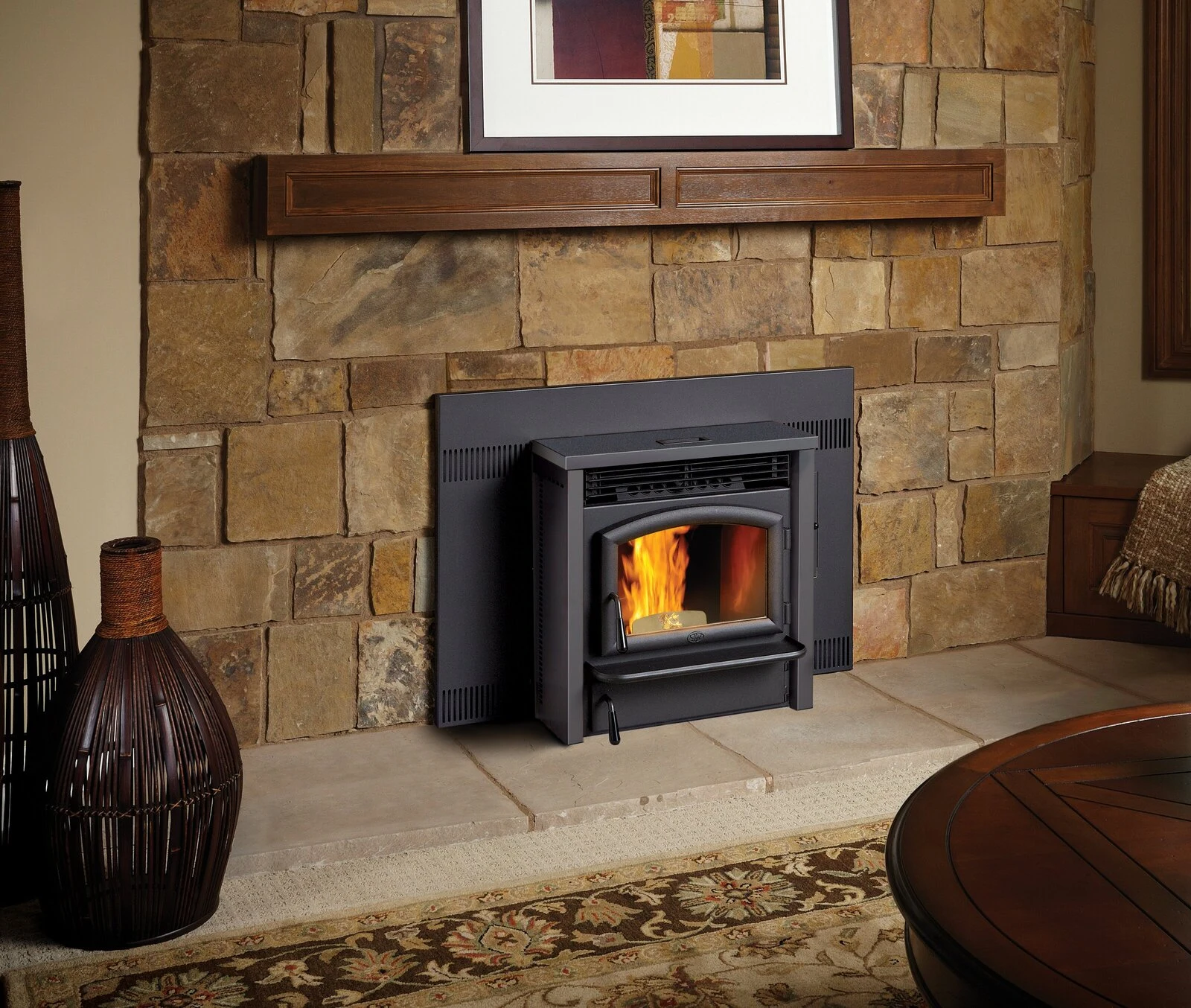
pellet inserts
Premium Pellet Fireplace Inserts in Coeur d'Alene & Spokane
With the region’s top-rated pellet fireplace insert, we help families across Coeur d’Alene and Spokane enjoy efficient warmth and lasting comfort. Our team provides expert guidance, professional installation, and service to ensure it’s the perfect fit for your home.
Find the perfect pellet insert for your home - give our team a call today!

create a home that inspires
From fireplaces and hot tubs, to patio furniture and custom outdoor kitchens - Quality Stoves & Spas provides expert guidance and installation to home owners across Coeur d'Alene and Spokane, creating spaces that inspire comfort, connection, and style.
schedule a free consultationfrequently asked questions
A pellet insert turns an existing fireplace into an efficient, automatic heat source that burns compressed wood pellets made from all-natural wood by-products. The insert we carry is EPA 2020 certified with emissions of just 0.98 grams per hour, delivers 11,480 to 41,000 BTUs, and offers push-button and thermostat-controlled operation. Whether it pays off depends on your current fuel costs and how much of your home you want it to heat.
The two costs are pellets and electricity. Per the owner's manual, the insert burns 1.4 to 5 pounds of pellets per hour depending on the heat setting, and it draws approximately 250 watts while running and about 350 watts during start-up. Your actual cost will depend on local pellet and electricity prices.
That depends on the heat setting. The insert burns 1.4 to 5 pounds of pellets per hour, and its hopper holds 40 to 70 pounds - more than a full bag. Maximum burn time is up to 50 hours on low, while colder weather and higher settings will have you refilling more often.
No. Pellet inserts rely on electricity to feed pellets, run the fans, and push flue gases out the vent, and the owner's manual states the heater will not operate during a power outage. Because a blower evacuates smoke, some smoke may enter the home if power is lost while burning, so keep the door closed until the fire dies down.
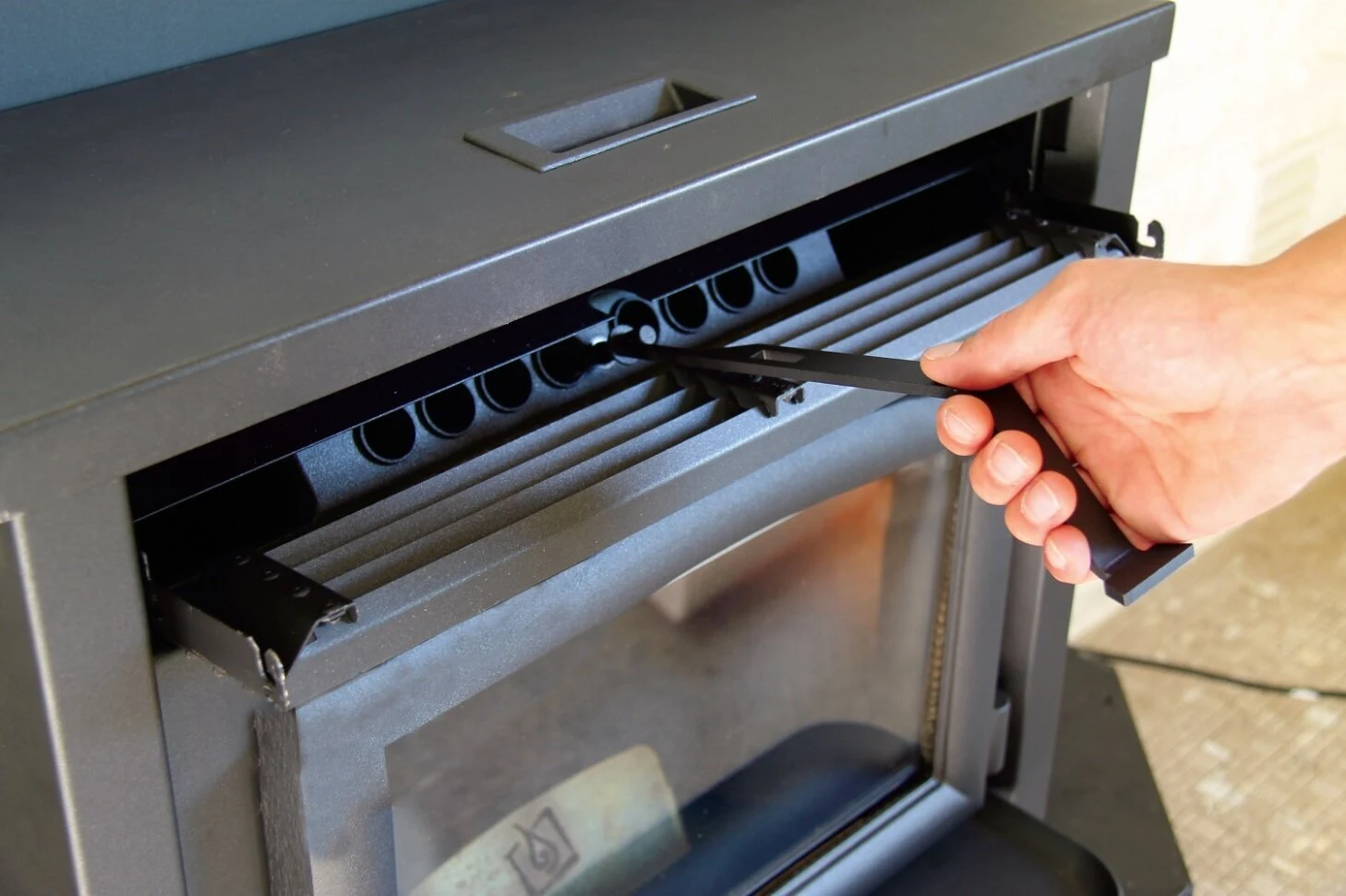
The owner's manual calls for weekly cleaning of the fire platform and heat exchange tubes (about every 5 bags of fuel), monthly emptying of the ashpan and cleaning of the exhaust ducts and glass (about every 20 bags), and a full yearly cleaning of the vent, liners, and blowers (about every ton). Many owners set up a service agreement with their dealer for the yearly work.
It depends on your home. The insert is rated to heat 800 to 2,000 square feet, but the owner's manual notes that heating capacity varies with your floor plan, insulation, the outside temperature, and the fuel itself. Open floor plans and well-insulated homes see the most whole-house benefit.
Yes - pellet inserts are designed to install into existing masonry or factory-built fireplaces, but per the owner's manual the unit must be installed with a continuous 3-inch or 4-inch chimney liner running from the insert to the top of the chimney. This is a job for a professional installer, who will size the liner and seal every connection per the manual.
Pellet inserts have moving parts - a convection fan and a fuel feed system - so they are not silent like a traditional wood fire. The insert we carry uses a horizontal rotary disc feed system designed for years of smooth, quiet operation with less stress on the auger motor, and the fan speed is adjustable.
Either works. The insert is designed and approved for all grades of pelletized wood fuel, so you are not locked into one species or premium-only pellets. The manufacturer recommends fuel certified by the Pellet Fuels Institute (PFI), since ash content and quality vary by brand and affect how often the unit needs cleaning.
Keep them dry - the owner's manual notes that fuel moisture level directly affects heating capacity. The manual also warns against storing solid fuel within the heater's installation clearances or within the space needed for loading pellets and removing ash.