
Fireplaces, Stoves, Inserts · Buying Guides
Gas vs. Wood vs. Electric: Which Fireplace Is Right for Your Home?
August 31, 2026 · 7 min read · Marketing Manager
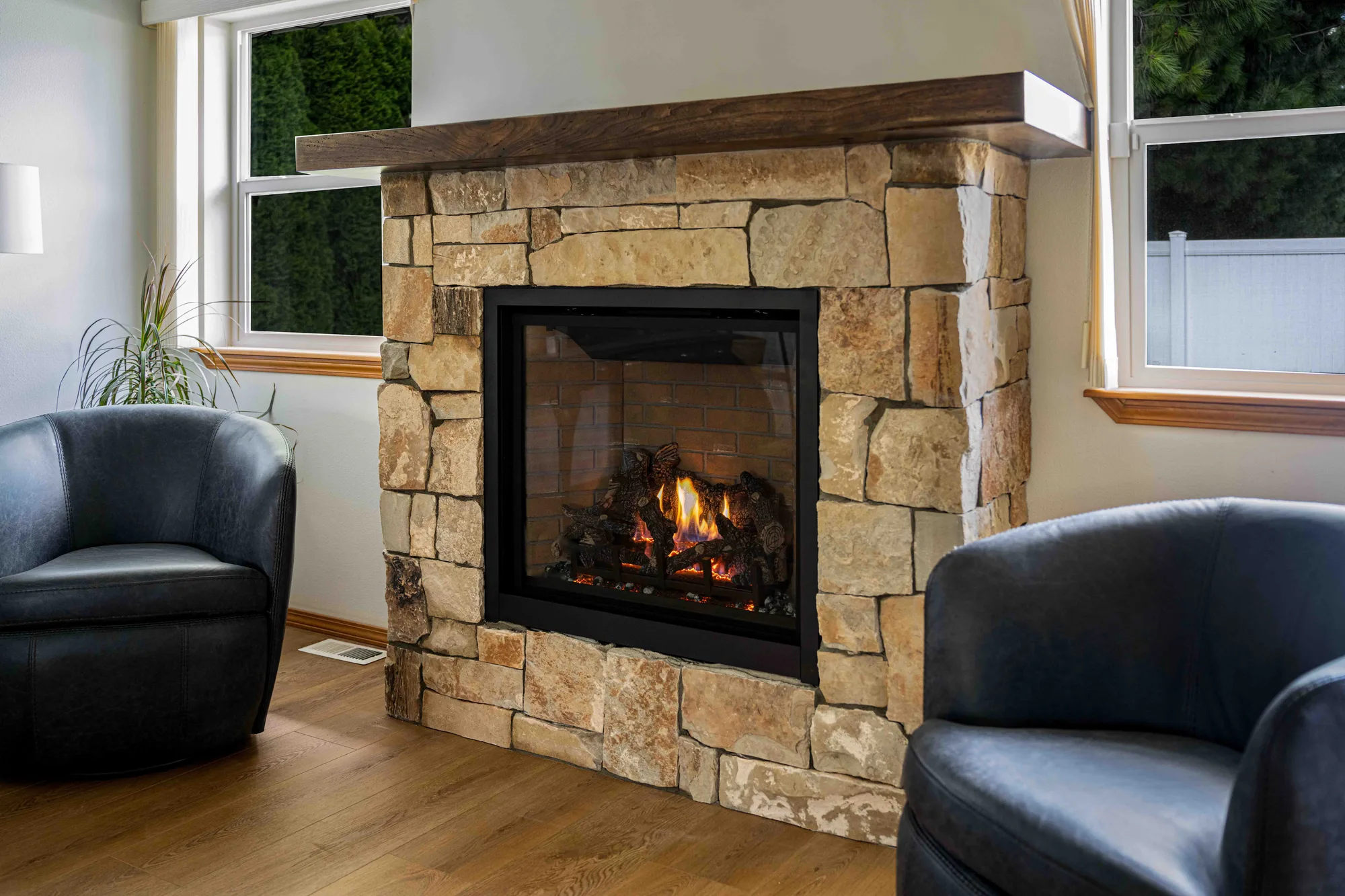
Choosing a fireplace is about more than looks. The type you pick decides how much heat you get, what the installation involves, how much upkeep you sign up for, and how easy it is to use on a Tuesday night in January.
Three options come up in almost every conversation we have in the showroom: wood, gas, and electric. All three throw heat and make a room feel finished. But they work in completely different ways, and that difference is usually what decides which one belongs in your home.
Here’s how they compare — the similarities, the trade-offs, and the questions worth answering before you buy.
What All Three Have in Common
Wood, gas, and electric fireplaces share the same job: warm the room and give it a place to gather around. Each one becomes the focal point of a living room, bedroom, family room, or covered patio, and each comes in enough styles and sizes to fit almost any space.
That’s where the overlap ends. How each one produces heat is the real story, and it drives everything else — venting, fuel, maintenance, and how the warmth actually feels in the room.
Wood Fireplaces
A wood-burning fireplace burns cordwood as its fuel. The fire produces flame, and the appliance radiates that heat out into the room around it.
For a lot of people around here, nothing else comes close. The sound, the smell, the way the light moves — a real wood fire is an experience, not just a heat source.
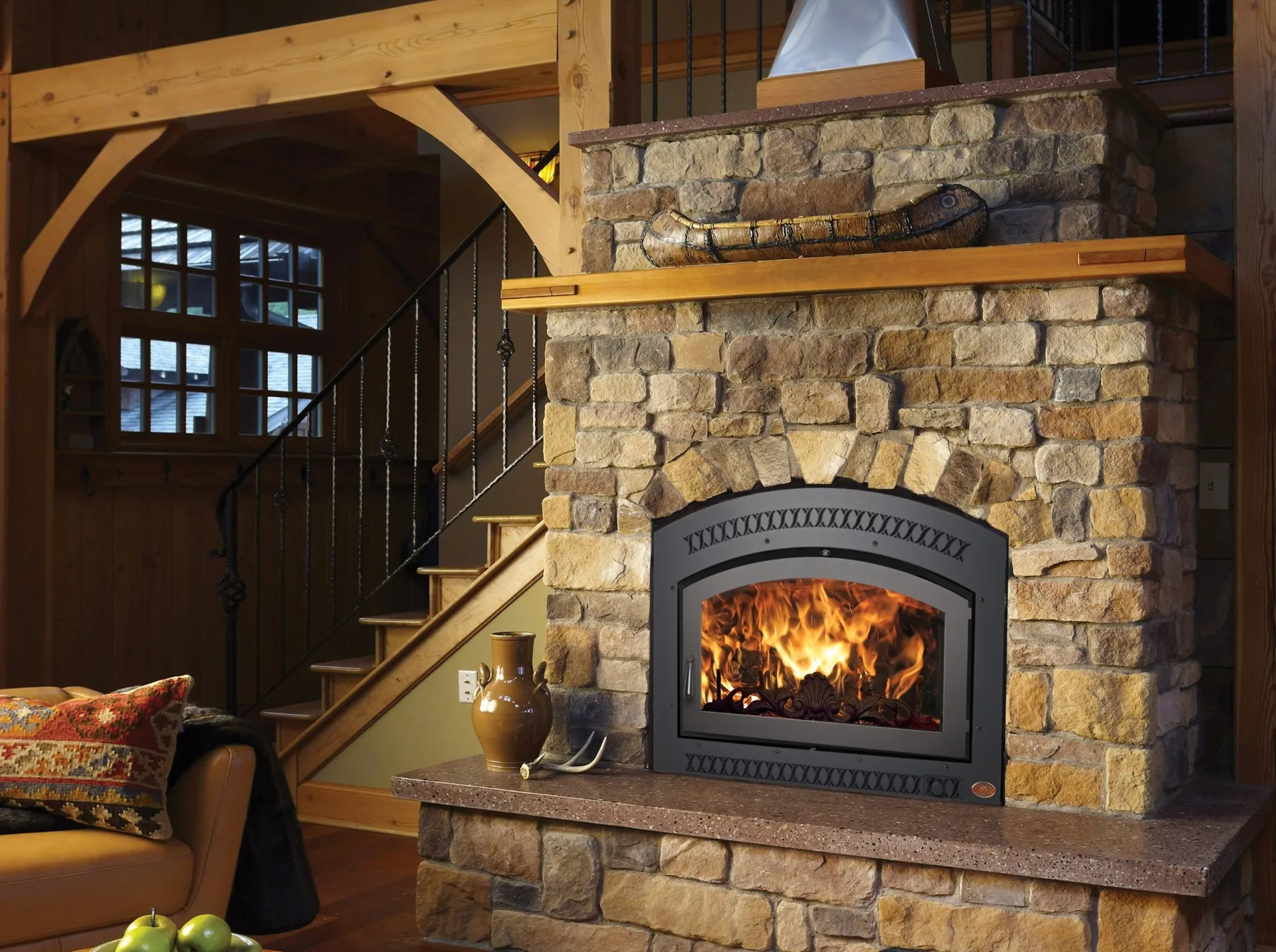
Pros
- Traditional experience. Nothing quite replicates the sights, sounds, and atmosphere of a real wood fire.
- Strong heat. Wood stoves and fireplaces put out substantial heat when they’re sized and operated correctly.
- No gas line required. You don’t need natural gas, propane, or electricity to run one.
- Great atmosphere. For many homeowners, the crackle and the look of a live fire are the whole point.
Cons
- More work. You need wood on hand, and you need to tend the fire.
- More maintenance. Wood fires make ash and call for regular cleaning and seasonal service.
- Storage. You need a dry, convenient place to stack and season firewood.
- Not instant. Starting a wood fire takes time, though some models get there faster than others.
If a live fire is what you’re after, our wood fireplaces and freestanding wood stoves are the place to start. Already have a masonry fireplace that loses more heat than it makes? A wood insert turns it into something that actually warms the room.
Gas Fireplaces
A gas fireplace burns natural gas or propane. Turn it on and the burner lights, producing a real flame and steady heat — with nothing to haul, stack, or sweep out.
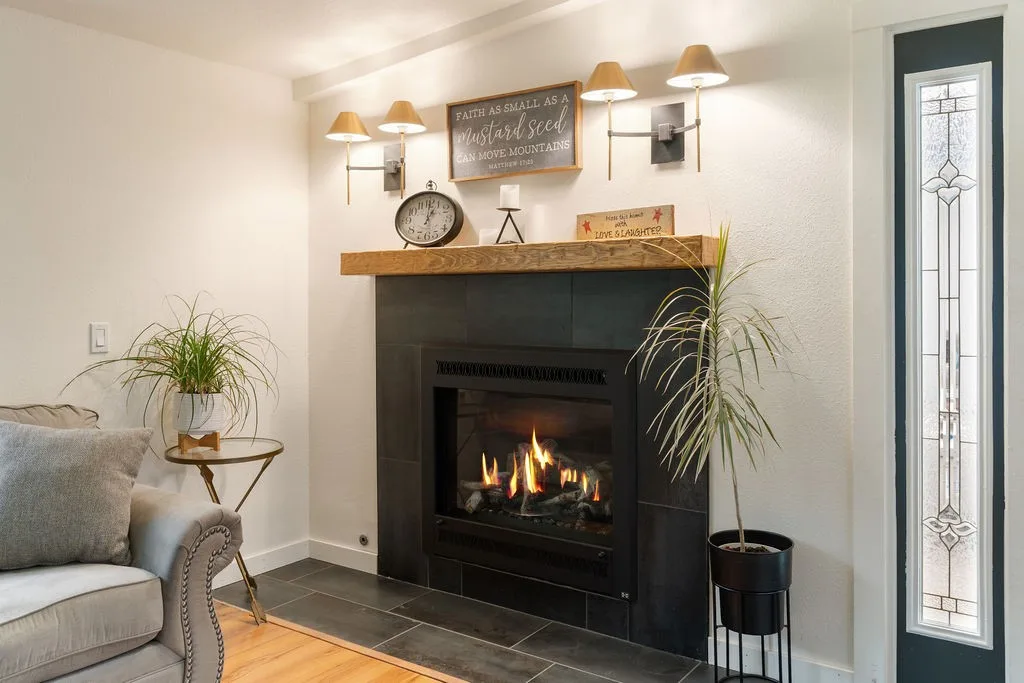
Pros
- Easy to use. Most gas fireplaces start with a remote, a wall switch, or a thermostat.
- Consistent heat. Steady output without adding fuel or tending a fire.
- Real flame. A genuine burning flame, without the work that comes with wood.
- Less maintenance. Compared with wood, there’s far less ash and cleanup.
Cons
- Requires a fuel source. Your home needs natural gas service or a propane tank.
- Installation can be more involved. Depending on the home and the unit, it may take gas lines, venting, and specific clearances.
- Fuel costs. Operating cost tracks the price of natural gas or propane and how often you run it.
Gas covers a lot of ground stylistically, from traditional gas fireplaces to linear gas fireplaces that read as modern architecture. A gas insert is also the most common way we convert an existing wood fireplace to push-button heat.
Electric Fireplaces
An electric fireplace works differently from the other two: it doesn’t burn anything. It uses electricity to produce heat and to create the visual flame effect.
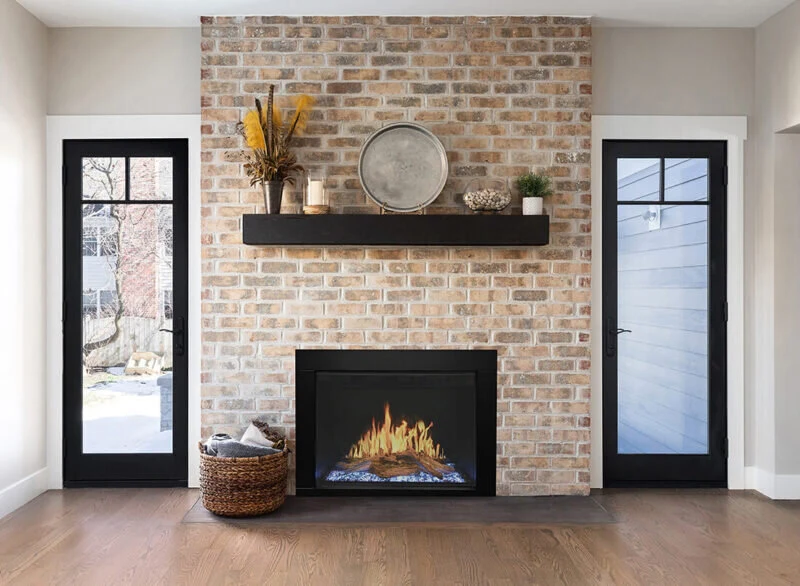
Pros
- Simple operation. On with a switch or a remote, and that’s the whole routine.
- No wood or gas. No cordwood, no propane tank, no natural gas service.
- Easy installation options. Many models go in without a chimney or a gas line.
- Low maintenance. No combustion means no ash and nothing to sweep.
- Flexible design. Available in a wide range of styles, sizes, and placements.
Cons
- Requires electricity. If the power goes out, the fireplace goes out too — unless you have a backup source.
- Simulated flame. The flame effect is an effect, not a live fire.
- Heating limitations. Capacity varies by model, but an electric fireplace is generally sized to warm a specific area — often somewhere around 300 to 600 square feet — rather than a whole house.
If a chimney and a gas line are off the table, electric fireplaces open up rooms that otherwise couldn’t have one at all — bedrooms, basements, offices, and remodels where running vent pipe isn’t realistic.
The Biggest Difference: How Each One Makes Heat
Every other trade-off follows from this. Wood, gas, and electric don’t just produce different amounts of heat — they produce different kinds of heat, and they feel different in a room.
Wood: Radiant and Intense
Wood units produce radiant, high-intensity heat that warms objects and people directly. The appliance itself gets extremely hot and pushes that heat outward, warming everything it reaches — floors, furniture, and the people in the room.
Catalytic combustors routinely exceed 1,000°F, and fireplace surfaces can reach 300–650°F depending on how hard the unit is burning.
A wood stove can be slow to start and slow to stop. Once the fire is established, the stove keeps radiating heat well after the flames have died down — exactly what you want when the power is out, and worth knowing if you’re sensitive to a room running warm.
Gas: Fast and Responsive
Gas units deliver flame within seconds of turning them on, and they stop just as quickly. The flames themselves burn around 3,500°F, but the body of the fireplace doesn’t store and re-radiate heat the way a cast iron or steel wood stove does.
Gas also produces a small amount of moisture as it burns, and the heat can simply feel different from the direct, radiant warmth of a wood fire. Neither is better — they’re just different, which is why we tell people to stand in front of both before deciding.
Electric: Steady and Controlled
Electric units provide even, consistent heat at a much lower peak temperature, generally in the range of 150–250°F. The airflow is clean and highly controlled, which makes electric a strong fit for supplemental heat in a specific room rather than a primary heat source for the whole house.
How to Decide
Run through these four questions and the answer usually narrows itself down fast:
- How will you use it? Primary heat, backup heat during outages, or ambiance with a little warmth?
- How much heat do you need? One room, an open great room, or most of the house?
- What fuel do you already have? Natural gas at the street, a propane tank, a woodshed, or just an outlet?
- How much maintenance are you comfortable with? Be honest here — it’s the answer people most often talk themselves out of.
In broad strokes: wood suits people who want a real fire and don’t mind the work. Gas suits people who want a real flame with none of the chores. Electric suits people who want the look and some supplemental warmth without burning anything at all.
Not sure where you land? Our find your stove tool walks you through it in a couple of minutes.
Come See Them Burning
Specs on a page only get you so far. Most people make up their minds the moment they stand in front of a live unit and feel the difference themselves — and that usually takes about ten minutes.
At Quality Stoves & Spas we’ll walk you through wood, gas, and electric options side by side and help you find the one that fits your home, your winters, and how you actually live. Our in-house service and installation crew handles the rest, so the same team that helped you choose is accountable for how it performs.
Stop by at 569 N Syringa St., Post Falls, ID, call us at (208) 457-8868, or schedule a free design consultation and we’ll help you compare your options in person.
Ready to warm up your home?
Stop by our Post Falls showroom or schedule a free consultation — we'll help you find the right stove, fireplace, hot tub, or outdoor setup for your space.
schedule a free consultationRelated posts
July 23, 2026
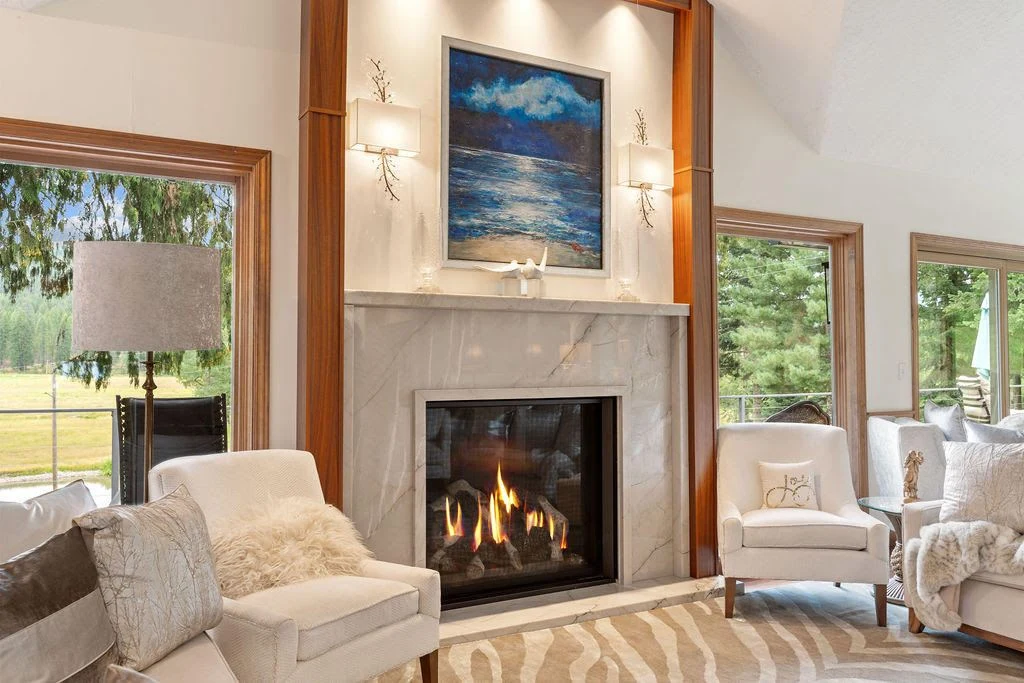
You Dream It. We Build It. Custom Fireplaces in North Idaho
Custom fireplace design & installation serving North Idaho & Spokane. From your inspiration to a finished centerpiece — one team, start to finish.
read more
June 18, 2026
Premium Outdoor Furniture Near Spokane and Coeur d’Alene
Shopping for premium outdoor furniture near Spokane or Coeur d’Alene? Learn how to spot quality that lasts and the brands we carry in Post Falls.
read more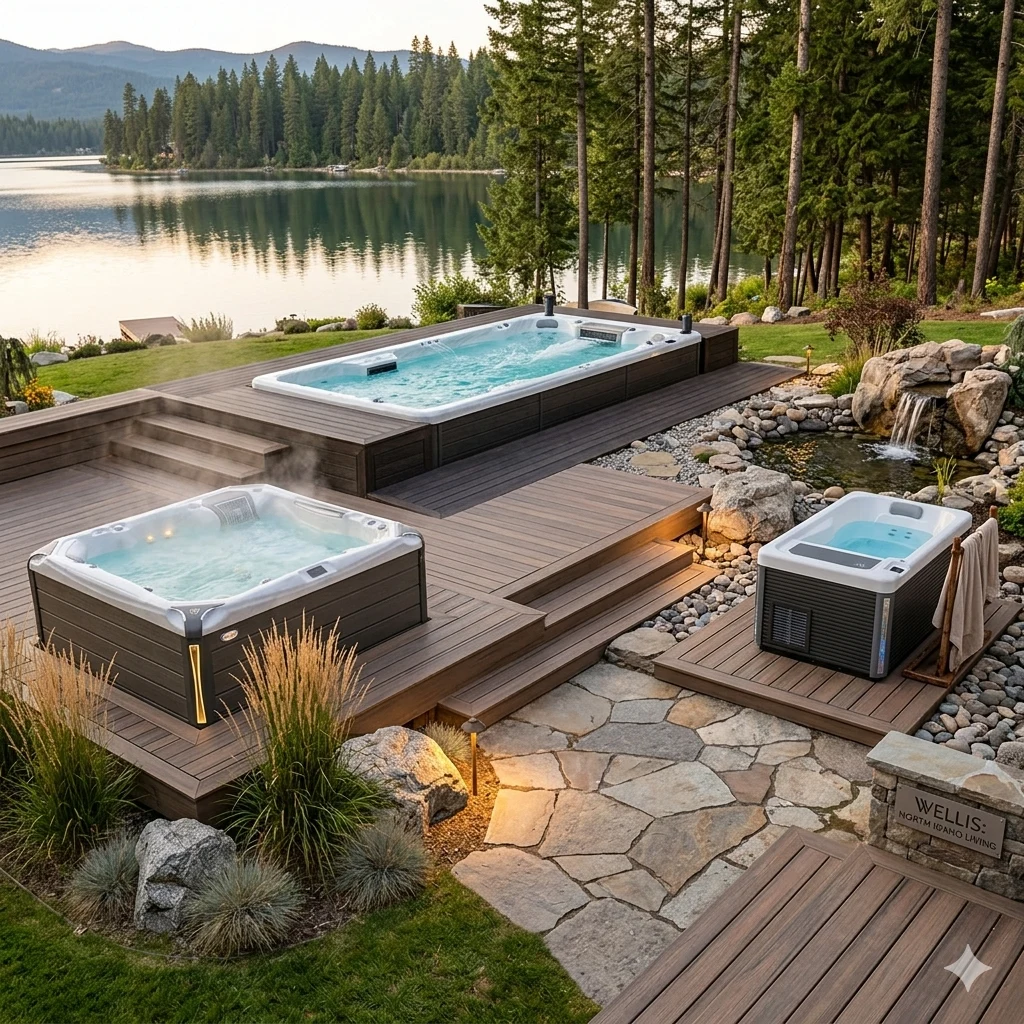
June 9, 2026
Hot Tub, Swim Spa, or Cold Plunge? A Buyer’s Guide
Hot tub, swim spa, or cold plunge? Our buyer’s guide compares all three so you can choose the right fit for your North Idaho backyard.
read more